
Promoting Farmer-Driven, Science-Based, Solution-Oriented Policy Development
The World Farmers’ Organisation (WFO) develops institutional policies and positions through a truly bottom-up, member-driven approach. WFO members identify key policy areas, draft position papers, and adopt them during the General Assembly, ensuring that each document reflects the needs, expectations, and realities of the global farming community.
This inclusive and democratic process guarantees that WFO policies are balanced, consensus-based, and regionally representative. Working Groups, Committees, and Task Forces – established by the General Assembly – play a key role in advancing this work by fostering ongoing collaboration among members on agreed priority areas.
WFO’s positions are further strengthened by scientific evidence and expert validation. The WFO Scientific Council, established in 2020, supports the development of credible and forward-looking policy documents.

Developed through a bottom-up approach.

Informed and validated by scientific evidence.

Aimed at proposing pragmatic, locally relevant solutions
Las posiciones de la OMA son el resultado de un enfoque verdaderamente ascendente dirigido por sus miembros, que constituye la base de cada documento estratégico y político. Los miembros de la OMA proponen las áreas clave, trabajan en los documentos de posición y los aprueban durante la Asamblea General, asegurando de que OMA pueda abogar por las necesidades y expectativas de la comunidad agrícola.
Documento de política de la OMA sobre los Sistemas Alimentarios Sostenibles
La OMA se ha comprometido al logro de Sistemas Alimentarios Sostenibles contribuyendo al diseño, la preparación y la aplicación de los procesos, a fin de garantizar una oportunidad para que se escuche la voz de los agricultores familiares y para que los agricultores del mundo se mantengan en el centro de cualquier sistema alimentario sostenible.
Política de la OMA en Seguridad Alimentaria y Nutrición Mundiales Sostenibles – Revisada y adoptada por la Asamblea General de la OMA en 2024
Los agricultores son la clave para lograr una seguridad alimentaria y nutricional mundial sostenible. Lo que producen los agricultores es la condición previa para alcanzar el Objetivo de Desarrollo Sostenible 2 de la ONU.
Sobre la base de los resultados de la Cumbre de las Naciones Unidas sobre los Sistemas Alimentarios y las conclusiones del Informe sobre el estado de la seguridad alimentaria y la nutrición en el mundo 2023, es evidente la necesidad de considerar los efectos perjudiciales sobre la seguridad alimentaria causados por diversos conflictos y crisis que no estaban presentes durante la primera revisión de la política, así como el impacto generalizado, rápido e intensificado del cambio climático. En respuesta, la Asamblea General de la OMA adoptó una versión actualizada de su política institucional en materia de seguridad alimentaria y nutrición.
Posición de la OMA sobre nutrición
Los agricultores desempeñan un papel crucial en la garantía de la seguridad alimentaria, produciendo alimentos nutritivos mientras mantienen prácticas agrícolas sostenibles. La comida no es solo una mercancía de mercado, sino el resultado del trabajo agrícola calificado, esencial para la salud y el bienestar humanos. Los alimentos producidos en el campo apoyan la transición hacia sistemas alimentarios seguros y resilientes. Fortalecer la conexión entre agricultores y consumidores, desconcentrar el poder en las cadenas de valor y garantizar una remuneración justa para los agricultores son aspectos clave para mejorar el acceso de los consumidores a alimentos frescos, saludables y ricos en nutrientes.
Recomendaciones de la OMA para eliminar la pobreza rural y lograr la seguridad alimentaria
Más de mil millones de personas en el mundo viven en la pobreza absoluta. 925 millones de personas no tienen suficientes alimentos para mantener la vida y el trabajo. La gran mayoría de estas personas viven en las zonas rurales y la mayoría de ellas son agricultores. Los agricultores constituyen alrededor de un tercio de la población mundial, pero la mitad de la población hambrienta.
Disponible solo en inglés.
Documento de política de la OMA sobre el cambio climático y la agricultura
El cambio climático es uno de los mayores desafíos del siglo XXI. Los agricultores y silvicultores están en primera línea en este cambio, ya que las vidas y los medios de subsistencia de quienes alimentan y visten al mundo se ven directamente afectados por el cambio climático y los fenómenos meteorológicos extremos. Al mismo tiempo, se espera que la agricultura satisfaga las necesidades futuras de una población más urbana y acomodada de 9.000 millones de personas para 2050. En consecuencia, la producción agrícola tendrá que aumentar significativamente. Junto con los alimentos, también aumentará la demanda mundial de agua, energía y tierras y esto ejercerá una presión adicional sobre los recursos naturales del mundo y amenazará los mismos ecosistemas de los que dependemos.
Posición de la OMA sobre los mercados de carbono
La introducción de sistemas voluntarios de compensación de carbono se consideró una oportunidad para recompensar a los agricultores por aplicar prácticas que fomenten el almacenamiento de carbono en los suelos. El diseño de los mercados de carbono debe ser coherente con el Acuerdo de París, que reconoce “la prioridad fundamental de salvaguardar la seguridad alimentaria y acabar con el hambre” y pretende reforzar la respuesta mundial al cambio climático “de manera que no amenace la producción de alimentos”. Esto es fundamental para garantizar que la humanidad alcance todos los Objetivos de Desarrollo Sostenible. Para garantizar que se maximizan las oportunidades y se minimizan los riesgos, es fundamental que los mercados de carbono sitúen las necesidades de los agricultores, el sector agrario y las comunidades rurales en el centro del diseño de las políticas.
Política de la OMA sobre Conservación y Uso Sostenible de la Biodiversidad y los Recursos Naturales
El declive de la biodiversidad, la salud del suelo y la calidad y disponibilidad del agua no son sólo una crisis en sí mismas, sino que agravan los efectos del cambio climático y repercuten directamente en la producción de alimentos, fibras y combustibles y, por tanto, en los ingresos y medios de vida de los agricultores. Una política medioambiental sólida que detenga y luego invierta el declive redunda sencillamente en interés de los agricultores del mundo, que dependen de la biodiversidad y de recursos naturales como el suelo y el agua para servicios esenciales como la polinización, el control natural de plagas, el mantenimiento de la estructura y la fertilidad del suelo y la regulación del agua. Del mismo modo que los agricultores dependen del medio ambiente, el medio ambiente a menudo depende de los agricultores, quienes gestionan activa y cooperativamente más de un tercio de la tierra del mundo. Con demasiada frecuencia, las decisiones gubernamentales y las políticas públicas tienen poco en cuenta los servicios que nuestros agroecosistemas brindan a la sociedad, mientras que los incentivos de mercado distorsionados y las regulaciones verticales inapropiadas reducen la capacidad de los agricultores para aumentar la eficiencia de la producción agrícola sin impactar los resultados ambientales en todo el mundo. Existe una necesidad urgente de reconocer el papel de los agricultores no sólo como productores de alimentos sino también como administradores del medio ambiente y desarrollar estructuras de incentivos adecuadas para ayudarlos a gestionar de manera sostenible la biodiversidad y los recursos naturales en el marco de sus actividades agrícolas.
Política de la OMA sobre la cadena de valor
Los agricultores y las organizaciones de cooperativas de agricultores pueden desempeñar muchas funciones, desde la facilitación de la prestación de servicios, la movilización de los recursos locales y la comercialización colectiva, hasta el empoderamiento de los miembros a nivel local y el compromiso con los proveedores de políticas y servicios mediante la creación de un entorno propicio para desarrollar las capacidades de los agricultores. Pedimos a los responsables políticos que creen un entorno propicio para este impulso hacia la organización estructurada de los agricultores mediante sistemas jurídicos, apoyo político e inclusión en los foros de debate pertinentes. La promoción de prácticas comerciales justas y de relaciones más sólidas entre la producción y el consumo de alimentos, así como entre los actores de la cadena de valor, el desarrollo de diferentes redes de distribución e intercambio podría aportar soluciones concretas a los problemas mundiales que contribuyen a la sostenibilidad de los sistemas alimentarios y a la seguridad del suministro de alimentos.
Dar más libertad de elección a los agricultores, junto con un mayor valor añadido, puede contribuir a la seguridad alimentaria mundial, garantizando sistemas alimentarios sostenibles que respeten el trabajo de los productores, los consumidores y el medio ambiente.
Posición de la OMA sobre l’Agricultura Real
Una mayor conexión entre los consumidores, los responsables políticos y el mundo agrícola y rural es esencial para avanzar hacia una mayor sostenibilidad económica, social y ambiental. Aumentar la productividad y su estabilidad mejorando la resiliencia y adaptabilidad de los sistemas agrícolas, utilizar de forma sostenible los recursos en la agricultura y aumentar la fertilidad del suelo son las cuestiones críticas para que una población en constante crecimiento pueda alimentarse de forma adecuada, satisfactoria y suficiente. Pero para alcanzar estos objetivos, es imperativo seguir invirtiendo en agricultura centrándose en quienes siempre han defendido y protegido la tierra, el suelo, la biodiversidad y la naturaleza: los agricultores. Partiendo de estas premisas, la Organización Mundial de Agricultores está adoptando un enfoque de la innovación ascendente, basado en la ciencia y orientado a los resultados, pero rechaza cualquier intento de sustituir los alimentos resultantes del trabajo de los agricultores por alimentos cultivados en laboratorio, y de concentrar aún más el poder en las cadenas de valor, desestimando el trabajo de los agricultores y empujando a los consumidores hacia un modelo alimentario único y homogéneo, que no valora la tradición, la diversidad, la riqueza, la calidad y las peculiaridades de cada región de nuestro planeta.
Política de la OMA sobre el comercio internacional – Revisada y adoptada por la Asamblea General de WFO 2023
El comercio, junto con la agricultura nacional, apoyado por políticas nacionales eficaces, brinda la oportunidad de aumentar la seguridad y la soberanía alimentaria local, nacional y mundial de manera justa y sostenible, contribuyendo al mismo tiempo a la prosperidad económica y al desarrollo sostenible. Mejorar el sistema de comercio mundial para hacerlo más inclusivo y justo para todos los agricultores es un gran reto, pero tiene el potencial de aumentar la productividad y la diversificación de la producción, promover la inclusión y ayudar a alcanzar muchos ODS. La OMA está comprometida con la consecución de ambiciosos objetivos de política comercial y el refuerzo del sistema mundial de comercio agrícola basado en normas. Esto permite a los agricultores operar en un entorno comercial justo, transparente y predecible, cumpliendo su papel económico, social y ambiental más amplio.
Disponible solo en inglés
La producción ganadera se enfrenta actualmente a una serie de desafíos mundiales en términos de seguridad alimentaria mundial, inocuidad de los alimentos, enfermedades y bienestar de los animales, resistencia a los antimicrobianos, viabilidad económica y expectativas relacionadas con el paisaje y el medio ambiente. Por otro lado, la comunidad mundial reconoce que la ganadería tiene un papel esencial para reducir la pobreza y lograr la seguridad alimentaria y la nutrición. Es muy relevante para los Objetivos de Desarrollo Sostenible (ODS), así como para la implementación de la Declaración de Roma sobre la Nutrición de 2014 y para el cumplimiento del Derecho Humano a la Alimentación universal.
Política de la OMA sobre el uso y la resistencia a los antimicrobianos en el Ganado
La resistencia a los antimicrobianos (RAM) amenaza la prevención y el tratamiento eficaz de las infecciones en humanos y animales. Las bacterias resistentes y las enfermedades infecciosas no respetan las fronteras y están presentes en todas partes del mundo. Es necesario adoptar medidas a nivel mundial para preservar la disponibilidad a largo plazo de un tratamiento eficaz de las infecciones para las generaciones futuras. La RAM es de gran importancia para la salud humana y animal, y un enfoque de “Una Salud” a nivel mundial, regional y nacional es crucial para hacer frente a la RAM. Es necesaria una estrecha cooperación entre las partes interesadas de la medicina humana y veterinaria y todos deben participar en la lucha contra la RAM. OMA apoyará y alentará a los agricultores, veterinarios, especialistas en producción pecuaria y especialistas en alimentos a unir sus fuerzas y combatir juntos contra la RAM para reducir al mínimo el riesgo de propagación, teniendo en cuenta al mismo tiempo el aspecto humano, animal y medioambiental.
Política de la OMA sobre las Cooperativas
Las cooperativas pueden considerarse un modelo de negocio innovador y juegan un papel clave en el estímulo del potencial del sector agrícola. De hecho, las cooperativas agrícolas promueven la inclusión económica, social y política de los agricultores porque sus miembros pueden acceder a mercados, cadenas de valor y oportunidades que de otro modo estarían fuera de su alcance. El fortalecimiento de las cooperativas es esencial para facilitar el acceso de los agricultores a los recursos, incluidos la tierra, la tecnología, la información, la educación, los fondos, los seguros y los servicios sociales, a los que los agricultores individuales no podrían acceder de otro modo por sí mismos, promoviendo así el desarrollo de las comunidades rurales.
Política de la OMA sobre la Innovación
La innovación es mucho más que la mera adopción de nuevas tecnologías y debe adoptarse desde diferentes puntos de vista: debe ser tecnológica, social, organizativa. De hecho, se considera un factor clave para mejorar la calidad de la producción, así como para impulsar la sostenibilidad y la resiliencia de los sistemas alimentarios. Los agricultores son innovadores por naturaleza y la innovación en la agricultura debe ser impulsada por los agricultores, en función de sus necesidades, experiencia y conocimiento. Además, tiene que ser asequible para todos los agricultores para que sea un instrumento que les permita cambiar las reglas del juego para lograr sistemas alimentarios más resilientes, inclusivos y sostenibles.
Política de la OMA sobre las mujeres en la agricultura – Revisada y adoptada por la Asamblea General de WFO 2022
Las mujeres desempeñan un papel clave en el logro de la seguridad alimentaria mundial y la sostenibilidad de los sistemas alimentarios. Sin embargo, su papel crucial en el apoyo a las familias y las comunidades, la preservación de las tradiciones y los ecosistemas locales, y su contribución activa al sector agrícola, a menudo permanecen ocultos y no remunerados. Empoderar a las mujeres, brindándoles las habilidades adecuadas y oportunidades de desarrollo de capacidades para aumentar su autonomía, así como reducir las desigualdades en su acceso a los recursos, es un requisito previo esencial para el desarrollo sostenible de las comunidades rurales.
Posición de la OMA sobre las mujeres agricultoras
Las agricultoras desempeñan un papel fundamental en la prosperidad y rentabilidad de la agricultura familiar, en el desarrollo económico de las zonas rurales, así como en la seguridad alimentaria y el bienestar social. Abordar con éxito los desafíos que enfrentan fortalecerá considerablemente la agricultura mundial en el futuro. A pesar de sus importantes contribuciones, las agricultoras enfrentan numerosos desafíos. Este documento destaca algunas contribuciones clave, los desafíos existentes y recomendaciones para mejorar y reconocer mejor el papel de las mujeres en la agricultura familiar.
A pesar de enfrentar muchos desafíos, incluido el desempleo, la falta de acceso a la tierra, al crédito, a los recursos y a la educación, los jóvenes agricultores son una gran mina de oro para el futuro de nuestros sistemas alimentarios. Facilitar su acceso a la educación y a la capacitación, a los recursos financieros y no financieros, así como involucrarlos en los procesos de formulación de políticas, es clave para desbloquear su potencial para brindar soluciones hacia un sector agrícola más sostenible.
Manifiesto de los jóvenes agricultores
Los jóvenes agricultores representan un enorme tesoro que puede proporcionar la solución a los principales desafíos del siglo XXI, así como un gran potencial para modernizar un sector agrícola que envejece y que necesita ser rejuvenecido si se quiere lograr un futuro sostenible y la estabilidad social para el Planeta.
Declaración De La OMA Contra La Violencia a Los Agricultores
La OMA condena enérgicamente todas las formas de violencia contra los agricultores y las comunidades rurales en todo el mundo, incluida la violencia física, moral, de género, racial, religiosa, social y económica.
La OMA pide a los gobiernos que brinden protección y seguridad adecuadas a las comunidades agrícolas.
Strengthening Farmer-led Policy with Science-Based Expertise
To ensure that its policies are evidence-based, WFO established an independent Scientific Council in 2020, composed of leading scientists, experts, and professors from across the globe.
The Council plays a vital role in supporting WFO’s farmer-led policy development process, providing independent advice based on scientific evidence that strengthens the quality, legitimacy, and impact of the Organisation’s positions. It contributes to bridging the gap between the realities farmers face and the most up-to-date knowledge available, helping to identify knowledge gaps and emerging trends in agriculture and food systems.
By fostering mutual understanding between science and farming, the Scientific Council reinforces WFO’s ability to advocate with one voice for policies that are not only grounded in real-world experience but also supported by science-sound evidence — strengthening the position of farmers in global decision-making spaces.
WFO Scientific Council Seeks Scientists and Experts. Help advance the farmer-driven, solution-oriented, and science-based approach to global agriculture decision-making.
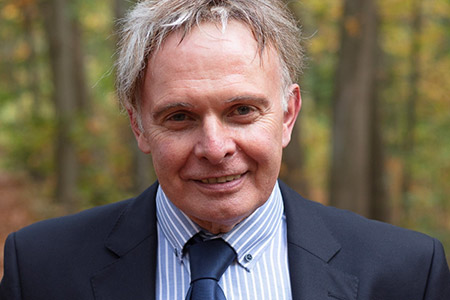
Daniel Berckmanns
 Daniel Berckmans has a master and a PhD in Bioengineering. Headed as full Professor for 25 years the research Division M3-BIORES (Measure, Model and Manage Bio responses), Department of Biosystems at the Catholic University of Leuven (⁰1425, 60.000 students). Part-time connected to the University of Tennessee USA. His research focus is on real-time monitoring of health and wellbeing of individual humans and animals. He co-authored over 300 peer-reviewed publications, over 400 papers, participated in 64 PhD commissions in 9 countries and promoted over 200 Master theses. Since 1982, 19 products were co-developed for the world market with industrial partners. He is co-inventor of 20 patents and coordinated several EU-projects. In a recent project with 20 partners and 20 farmers, 4 new spin-off companies were started in the field of Precision Livestock Farming.
Daniel is worldwide considered as the spiritual father of the field of Precision Livestock Farming: real-time monitoring of animals with technology: microphones, camera’s, and sensors. He co-started the European Committee for Precision Livestock Farming that organizes since 2003 the 2-yearly European Conference for Precision Livestock Farming ECPLF. Today the conference is organized in agreement with the “Asian Conference for PLF” (ACPLF) and the “US Conference for PLF” (USCPLF).
He co-initiated the first European Master’s in Human Health Engineering at the KU Leuven: technology for monitoring healthy people. Daniel is co-founder of 3 spin-off companies: BioRICS NV in 2006, BioRICS INC in San Francisco in 2016 and SoundTalks in 2011. KU Leuven was named the seventh most innovative university worldwide in 2020 with 135 spin-off companies started so far. This makes KU Leuven the most innovative university outside of the United States.

Amaryllis Blin
 Amaryllis Blin is an agricultural engineer who graduated from AgroParisTech with a specialisation in livestock and plant production, and she is also a qualified nutritionist. She began her career at the French Ministry of Agriculture and Food as a plant epidemiology and crop protection project manager.
She then joined the Economics Department of the Fédération Nationale des Syndicats d’Exploitants Agricole (FNSEA), where she focused on valorising French agricultural production and defending farmers’ remuneration, mainly through national and European legislation. At the European level, she served as an expert for the European Economic and Social Committee (EESC), contributing to several opinions.
Currently, she participates in the development and structuration of the French cereal sector at Intercéréales, the interprofessional organisation. Working across all stages from production to processing, she places a strong emphasis on enhancing competitiveness, creating value and sustainability to contribute to building a robust and resilient French cereal sector, a key foundation of global food security.
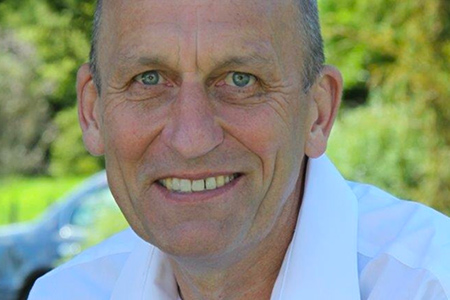
Dr. Harry Clark
 Dr. Harry Clark is the Special Representative for the Global Research Alliance (GRA). Based at the New Zealand Agricultural Greenhouse Gas Research Centre (NZAGRC), his role is to act as an ambassador for the GRA. Harry is also the Chief Scientist of the New Zealand Agricultural Greenhouse Gas Research Centre (NZAGRC), a government-funded entity established in 2009 to develop technologies and practices to reduce GHG emissions from the New Zealand agricultural sector. He is also the Special Representative of the Global Research Alliance on Agricultural Greenhouse Gases (GRA). He was a member of New Zealand’s Interim Climate Change Committee from 2017 to 2019 and served as one of New Zealand’s seven Climate Change Commissioners from 2019 to 2021. He was appointed a member of the New Zealand Order of Merit in 2014 for services to environmental science.
Prof Paolo D’Odorico
 Prof Paolo D’Odorico is the Thomas J Graff Professor of Natural Resources in the Department of Environmental Science, Policy & Management at the University of California Berkeley. Paolo D’Odorico’s research focuses on the role of hydrological processes in the functioning of terrestrial ecosystems. His group’s work has highlighted the role played by positive feedback with the physical environment on the resilience of savannas, dry tropical forests, desert shrublands, freshwater wetlands, mangrove swamps, and seagrass meadows. Their work has also shown how environmental noise may increase the complexity of ecosystem dynamics by inducing new states, bifurcations, or pattern formation. He is currently investigating the globalization of water through virtual water trade and international land investments, and its impact on water equity, societal resilience, environmental stewardship, and food security. This research is highlighting the crucial role of water in agriculture and energy production. They are focusing in particular on irrigation and the extent to which the local water resources constrain sustainable irrigation across major agricultural regions of the planet both under current and climate change conditions. They are also evaluating the value created by irrigation in agriculture.

Dr. Mariana de Aragão Pereira
 Dr. Mariana de Aragão Pereira is a researcher “A” from the Brazilian Agricultural Research Corporation – EMBRAPA since 2001, initially working at the Strategic Management Secretary (SGE) and, from 2004, working at Embrapa Beef Cattle research unit. She worked as a research assistant at the Agribusiness and Economics Research Unit (AERU), Lincoln University, from 2007 to 2008. She works with Rural Economics and Farm Management, with emphasis on beef cattle systems and production costs, economics applied to integrated farming systems, decision-making and technology adoption, and farm management, including the development of management tools. She is a member of the Management Councils of the Environmental Protected Area of Ceroula Creek/MS and Lajeado/MS, a representative of South America at the International Farm Management Association (IFMA) Council and the coordinator of the Good Agricultural Practices Program – Brazilian GAP beef cattle. In July/21, she took a position as manager of the Beef Production Systems Research Group at Embrapa Beef Cattle. She is also an ad hoc reviewer for several Brazilian and international journals and is a project consultant for state funding agencies and Embrapa.

Dr. Mariana de Aragão Pereira
 Dr Seetharam Annadana has over 35 years of experience in the agricultural sector. A seasoned professional in biotechnology, biofuels, hybrid trialling, pathology, DH, and entomology, he holds a PhD in Biotechnology from Wageningen University and completed the Executive General Management Program at IIM Bangalore—equipping him with both scientific expertise and business acumen to deliver innovative solutions for the global food system.
He has consulted for over three decades with organisations including UNIDO, UNEP-GEF, ICCOA, the World Bank, and private enterprises.
For the past 16 years, at an MNC seed company, he has led a team across 12 APAC countries as Market Segment Lead—working with customers, partners, and stakeholders to understand needs and deliver tailored products and services that improve productivity, profitability, and sustainability.
He has collaborated with regional and global technology teams to align market segmentation strategy with the technology portfolio and pipeline. His goal: to drive growth and value for farmers in vegetable and field crops by leveraging biotechnology, molecular breeding, and trait assessment with a strong understanding of customer needs.
He is passionate about creating positive environmental, social, and economic impact through sustainable and resilient agriculture.
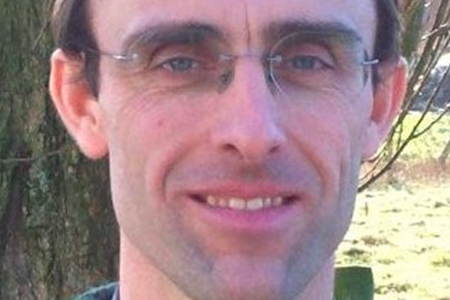
Stephan De Smet
 Stephan De Smet graduated in 1986 as an Agricultural Engineer at Ghent University with specialisation in Animal Production. Since 1987 he has been associated with the Department of Animal Production, Ghent University, first as a PhD student and later as a research project assistant and post-doctoral scientist before becoming assistant professor.
He performed his PhD research on the role of rumen protozoa. He later moved to meat quality research with particular interest in the relationship between carcass quality and sensory and technological meat quality traits.
He is now a full professor in Animal Science at Ghent University, Belgium, responsible for teaching general and advanced courses in Animal Production, Animal Breeding and Meat Science. His current research focuses on meat quality and the health value of meat and meat products with an emphasis on optimisation of the composition and oxidative stability of meat from different species. He is also the current president of the Belgian Association of Meat Science and Technology (BAMST). He is (co-)author of >150 scientific publications in peer-reviewed journals and regularly referees manuscripts for several journals.

Peer Ederer
 Prof Dr Ederer directs and coordinates GOALSciences, the Global Observatory on Accurate Livestock Sciences. GOALSciences provides a
platform and data access for senior decision-makers in the food and
agribusiness industry to define their future strategies and perspectives
(more at https://goalsciences.org/).

Vanni Frajese
 Prof Giovanni V. Frajese is currently the director of the “SMART Lab” at the “University of Rome Foro Italico” and researches medicine and biotechnologies with interest in the field of Endocrinology, Oncology, Metabolism and Nutrition. He graduated in 1996 in Medicine at the University of Rome “Tor Vergata” and specialized in Endocrinology and Dysmetabolic diseases in 2001. He has authored over 70 papers in international peer-reviewed scientific journals. He is a Member of several societies, including the Endocrine Society (USA), American Diabetes Association (ADA), N.Y. Academy of Sciences, and SIE (Italian Society of Endocrinology).

Radhakrishnan Govindan
 Dr Radhakrishnan Govindan is President of the Life Science Advisory Group at Sathguru Management Consultants, bringing 21 years of expertise in seed industry innovation, phytopathology, breeding, trait research, and seed systems.
He holds an MSc and PhD in Plant Pathology from IARI, New Delhi, with further training from the World Vegetable Center, INSEAD, and Harvard Business School. Recognised with prestigious awards, including the ICAR Jawaharlal Nehru Award and the Indian Virological Society Young Scientist Award, he has led global breeding projects and sustainability initiatives at Bayer and BASF Vegetable Seeds.
Dr Govindan has contributed to major agricultural committees, including ICAR-APSA Joint Working Group, the Seed Health Experts Committee, and the APSA R&D Advisory Group. He played a key role in the USAID Feed the Future Eggplant Partnership and the Dutch Agri-Food Innovation Mission. Currently, he serves as a Global Council Member of the World Agriculture Forum (WAF) and is part of the ICFA Telangana Agriculture Council.
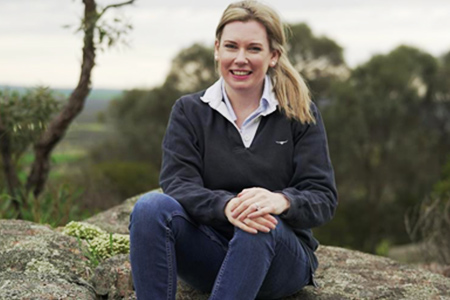
Kate Gunn
 Kate Gunn is an Associate Professor at the University of South Australia and has been a passionate researcher and tireless advocate in the field of farmers’ wellbeing for approximately 15 years, fueled by growing up on and staying closely connected to her family’s mixed sheep and grain farming enterprise in South Australia, and her experience working as a Clinical Psychologist.
A/Prof Gunn’s contributions at multiple levels have not only improved scientific understanding of farmers’ drivers of distress (and rural health disparities more generally) but importantly, she has also used her clinical psychology and behavioural science skills to work with farmers to develop and evaluate, interventions to address these.
A/Prof Gunn has also played a significant role in shaping policy, including her invitation to be part of the inaugural South Australian Premiers’ Council for Suicide Prevention. This council successfully formulated and implemented Australia’s first Suicide Prevention Bill. Her translational research’s value has garnered recognition through various awards, such as the South Australian Young Achiever of the Year Award (2013), a Churchill Fellowship (2017), Suicide Prevention Australia’s prestigious National Award for Innovation (2022), and the Kondinin Group/ABC Rural’s National Farmer of the Year Award for Excellence in Agricultural Research (2022).
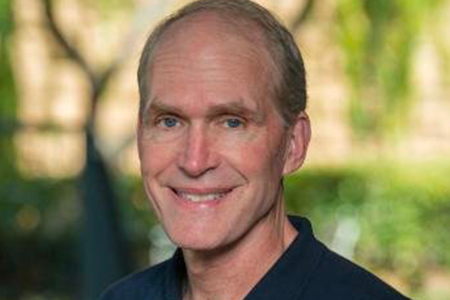
Rob Jackson

Rob Jackson is an Earth System Science Professor at the Stanford University; a Senior Fellow at Stanford Woods Institute for the Environment, and Senior Fellow at the Precourt Institute for Energy.
Dr Jackson and his lab examine the many ways people affect the Earth. They seek basic scientific knowledge and use it to help shape policies and reduce the environmental footprint of global warming, energy extraction, and other issues. They’re currently examining the effects of climate change and droughts on forest mortality and grassland ecosystems. They are also working to measure and reduce greenhouse gas emissions through the Global Carbon Project (globalcarbonproject.org), which Jackson chairs; examples of new research Rob leads include establishing a global network of methane tower measurements at more than 80 sites worldwide and measuring and reducing methane emissions from oil and gas wells, city streets, and homes and buildings.
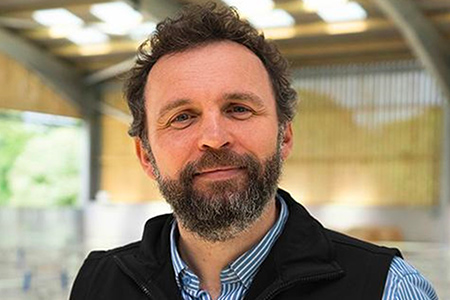
Michael Lee
 Professor Michael Lee is an expert in sustainable livestock systems, defining their role in securing global food security at the same time as protecting environmental health (Livestock’s role in human and planetary health). Michael is President of the European Federation of Animal Science Livestock Farming Systems Commission and Senior Vice President of the British Society of Animal Science.
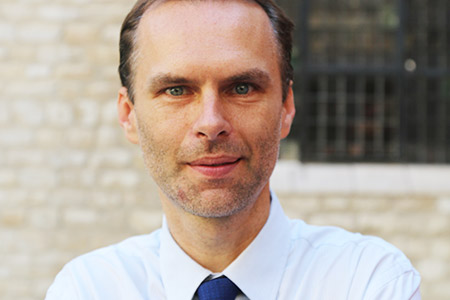
Frederic Leroy
 Frédéric Leroy (1974) graduated as Bioengineer and obtained a PhD in Applied Biological Sciences. He is a professor at the Vrije Universiteit Brussel (Belgium) and an expert in food technology, nutrition, and interdisciplinary research (‘food studies’), with a focus on animal-source foods.
Susan MacMillan
 Susan MacMillan is an emeritus fellow at the International Livestock Research Institute, where she headed science communications, public awareness and advocacy work for more than 30 years. An American, she has a master’s degree in English from the University of California at Berkeley and has lived and worked in Kenya since 1972.
Neil Mann
 Neil is a Professor of Human Nutrition in the School of Agriculture and Food Science, Faculty of Veterinary and Agricultural Science at the University of Melbourne. Having previously held the position of Professor of Nutritional Biochemistry and head of Food and Nutrition Science at RMIT University for many years, Neil has over 30 years of experience in nutrition research, coordinating projects in the areas of long-chain fatty acids, obesity, diabetes, hunter-gather diets and aspects of metabolic syndrome.
He is a respected voice internationally on nutrition, health, physiology, biochemistry and food science. He has been involved with the Nutrition Society of Australia, the Nutrition Accreditation Committee, the Asia Pacific Region International Life Sciences Institute and the International Diabetes Institute.
Neil has authored over 80 refereed research papers in high-impact factor international nutrition and medical journals, and more than 100 national and international conference proceedings.
Warren McNabb
 Warren McNabb is a Professor of Nutritional Sciences at the Riddet Institute. His research interests include nutrition for health, sustainable nutrition, human-microbiome interactions, and physiology and metabolism.
At the Riddet Institute, Prof Warren leads several programmes including the MBIE-funded programme, New Zealand Milks Mean More (NZ3M) and the Sustainable Nutrition Initiative (SNI) which he leads. Warren is also a Principle Investigator in the Riddet Institute CoRE Research programme and an Associate Investigator in the HVN National Science Challenge priority research programmes’, Healthy Digestion and Infant Health. His focus is on food structures-nutrient digestion interactions, clinical investigations of nutrition, microbe-human interactions, gastrointestinal function and sustainable nutrition.
Prof Warren received the New Zealand Institute of Agricultural and Horticultural Sciences Fellowship in 2007. Since 2019, he has been recognized as a professional member of the New Zealand Institute of Food Science and Technology, the American Society of Nutrition, and the Canadian Nutrition Society. Additionally, he has contributed to numerous national and international research advisory and funding panels.
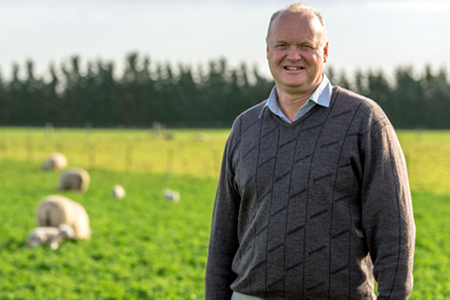
Derrick Moot
 Professor Derick Moot is a Professor of Plant Science at the Department of Agricultural Sciences, Agriculture & Life Sciences Faculty, Lincoln University, Canterbury, New Zealand.
Professor Moot’s research focuses on dryland (rainfed) sheep and beef systems. It recognises that water and nutrients, particularly nitrogen are the main limitations to all plant growth worldwide. Therefore, he investigates how to use suitably adapted legumes, with high water use efficiency, to drive nitrogen cycling and underpin animal production.
His work provides agronomic solutions for sustainable pastoral farm systems in New Zealand. He helps create farm systems resilient to climate change, particularly drought and enhances the social and welfare outcomes for rural communities. Professor Moot’s work is recognised nationally through his engagement with policy development through MPI, ECAN and industry bodies.
Professor Moot’s research team is based around 100+ post-graduate students who have aided the creation of plant-based solutions to overcome biotic and abiotic stresses induced by cold and or dry climates, low soil pH and hence high aluminium toxicity. His team develops environmentally, socially and financially sustainable farm systems for hill and high-country farms.
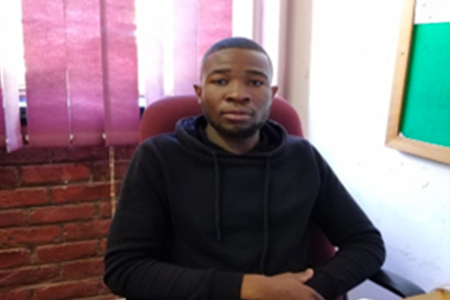
Kopedi Alfred Ntabane
 Mr Kopedi Alfred Ntabane is an expert in sustainable agricultural practices and administration. Mr Ntabane is a professional scientist working with the Department of Agriculture Rural Development and Land Reform in South Africa. His expertise lies in sustainable agriculture and socioeconomic progress, with a particular dedication to small-scale farmers. Mr. Ntabane is committed to promoting nature-based solutions that enhance biodiversity and aid in climate adaptation.
Furthermore, he actively engages in professional gatherings such as meetings, conferences, and seminars for scientists. This active involvement enables him to gain insights into the unspoken needs within the agricultural field and generate innovative ideas to bolster emerging approaches or initiatives in the sector.
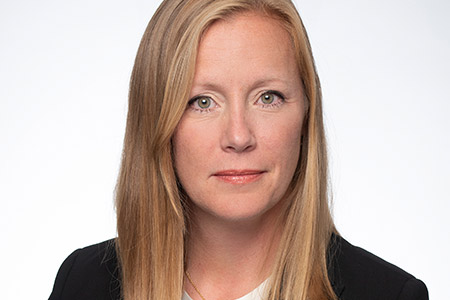
Geneviève Parent
 Geneviève Parent is a full-time professor at the Law Faculty of Laval University and head of the Legal Research Chair in Food Diversity and Security. Her areas of interest are food security and national and inter-national agrifood law. Ms Parent is also a part-time member of the Canada Agricultural Review Tribunal and an associate member of the French Academy of Agriculture.

Enrico Perticone
 Enrico is a Customs broker, registered in the Professional Register of Customs Brokers since 1989, focused on consultancy and training in customs and international trade matters. Since 2005 he has been a lecturer professor and chair holder of Customs Commodity at the “G. D’Annunzio”, School of Economics, Pescara (Master’s degree course in Legal Sciences for internationalisation and Master’s degree course in Economics and Commerce).
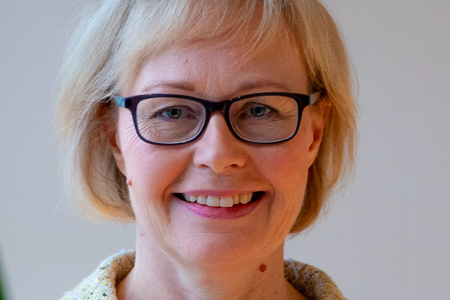
Liisa Pietola
 Dr. Liisa Pietola, adjunct professor at the University of Helsinki in soil sciences (1998-), served in R&D for the fertilizer industry (2006-11) and in the Central Union of Agricultural Producers and Forest Owners in Finland MTK (2011-22) as head of environmental affairs, and chaired the environment working group of European farmers at the Copa-Cogeca (2014-18). Currently, she is a leading specialist on sustainability solutions in the transition of agriculture and forestry sectors in the Finnish Innovation Fund Sitra (www.sitra.fi/en), and an expert member of the EU Mission Board Soil Deal for Europe. She has her feet on the ground as an active farmer.
Her expertise is focused on environmental externalities and impacts related to agriculture and forestry and soil functions, such as carbon sequestration to balance greenhouse gas emissions and climate change adaptation by soil care. She has competence in the recycling of nutrients and water quality protection, air quality and biodiversity of agro-forestry ecosystems and experience in landowner’s property rights and legislation proposals both in Finland and EU level.

Chandran Ravindran
 Dr. Chandran Ravindran is working as an Associate Professor and Head of the Horticultural Research Station at Tamil Nadu Agricultural University, Kodaikanal, Dindigul District of Tamil Nadu, India. His contribution towards the FAO Hortivar database, Global Horticulture Assessment, and Global Consultations on Farmers’ Rights has been noteworthy. He worked for farmer development for 20 years, obtaining projects and getting national awards for farmers and farmers’ producer organisations. He has published more than 13 Books, 17 Book Chapters, 20 Research papers, and 55 popular articles in reputed national and international journals and magazines. Additionally, he has served as an author, editor, or co-editor for five journals.
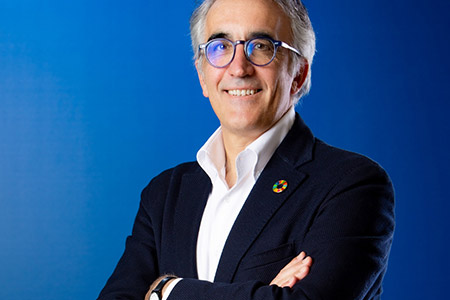
Angelo Riccaboni
 Angelo Riccaboni is Full Professor of Management Control Systems at the Richard Goodwin School of Economics and Management of the University of Siena. He was Rector of the University of Siena from 2010 to 2016. He is a member of the Leadership Council of the United Nations’ Sustainable Development Solutions Network and Chair of the Regional Centre of the SDSN for the Mediterranean since 2012. Since 2017 he chairs PRIMA Foundation, located in Barcelona to implement a 10-year research and innovation programme on food systems and water resources, with a budget of 500 million euros funded by the European Commission and 19 Euro-Mediterranean Countries. His research focuses on the role of businesses and universities to promote the implementation of the United Nations’ Agenda 2030 and on innovation in the agrifood sector. He chairs the Steering Committee of the Santa Chiara Lab at the University of Siena. He is Member of the Scientific Committee of the World Farmers Organisation, Member of the International Academic Committee of the Institute for Sustainable Development Goals of Tsinghua University, Member of the Board of Directors of the University Bicocca in Milan. He is a Member of the EC sub-group on Mission Area Soil Health and Food of the ‘shadow’ strategic configuration of the Horizon Europe Programme Committee.
Previously he was Chair of the CRUI Foundation, the operating body of CRUI (the Association of Italian Rectors), Member of the Board of the International Association of Universities (IAU), Head of the IAU Working Group on sustainability. He was Dean of the Richard Goodwin Faculty of Economics and Management, Chair of the Association of Deans of Italian Faculties of Economics, Management and Statistics and President of SIDREA (Italian Society of Accounting and Business Administration Scholars).
Bruno Ronchi
 Bruno Ronchi is full professor of Animal Nutrition and Feeding at the Department of Agriculture and Forestry Science of Tuscia University (Italy). His research activities mainly focus on: effects of heat stress on ruminants; farm animal metabolism; effects of environmental contaminants; management of extensive livestock production systems. In his career: dean of the Faculty of Agriculture Science; President of Italian “Animal Science and Production Association”; Council member of the European Federation of Animal Science.
Jacqueline Rowarth
 Professor Jacqueline Rowarth CNZM, FNZIAHS has a bachelor’s degree in Agricultural Science with honours in Environmental Agriculture and a PhD in Soil Science from Massey University. She has worked in research, education and management with Agresearch, Lincoln University, Unitec in Auckland, The University of Melbourne, Massey University, the University of Waikato, and the Environmental Protection Authority.
In addition, Prof Rowarth has held Government-appointed governance roles on the boards of Crop and Food Research, AGMARDT and New Zealand Fast Forward. She is currently a farmer-elected member of the Board of Directors for DairyNZ and of Ravensdown Co-operative Ltd., a producer-appointed Director for Deer Industry NZ, and a Director of NZ Animal Evaluation Ltd. She also holds the role of Adjunct Professor at Lincoln University.
Prof Rowarth is also a Past President of the New Zealand Institute of Agricultural and Horticultural Science and of the New Zealand Grassland Association. In 2008 she was awarded Companion of the New Zealand Order of Merit for services to Agricultural Science, in 2009 she was given the inaugural award of Agricultural Personality of the Year by Federated Farmers and in 2010 she was selected as the Agricultural Communicator of the Year by the Guild of Agricultural Communicators and Journalists. She is a frequent contributor to public debate in the media and remains committed to dispelling the myths that surround food production.
Alice Stanton
 Alice Stanton is a clinician-scientist. She is a registered Medical Specialist in Clinical Pharmacology & Therapeutics & General Internal Medicine with the Specialist Training Authority of the Medical Royal Colleges, UK, since 1997, and with the Medical Council, Ireland since 1998. She is currently a Fellow of the Royal Colleges of Physicians in Ireland and a Professor of Cardiovascular Therapeutics, RCSI. She has authored 130 peer-reviewed published papers, 4 book chapters, 4 editorials, 10 reviews, and over 250 abstracts, and has been the recipient of many educational and research awards. Over the last 20 years, she has received both fellowships and project grants from the European Society of Cardiology, the British Heart Foundation, the Medical Research Council (UK), the Engineering Physical Science Research Council (UK), the Health Research Board (Ireland), Ireland), and the European Commission Seventh Framework Programme.
Logan Thompson
 Logan grew up on a registered horned Hereford ranch in central Texas which instilled a passion to improve the sustainability of beef production by developing practical solutions for producers. Through his teaching appointment, he aims to give students the tools necessary to speak and understand the evolving space of sustainability and to be successful as the next generation of farmers and ranchers who will serve as stewards of the Great Plains. Logan started his bachelor’s degree at Sam Houston State University in Huntsville, TX before completing his degree at Texas Tech University in 2015. Following this he earned a Masters in beef sustainability at Oklahoma State University in 2017 and a PhD in ruminant nutrition at Michigan State University in 2021. Before joining Kansas State University in August of 2022, he served as a post-doctoral fellow at Colorado State University.
Logan’s predominant research interest is measuring greenhouse gas emissions in grazing systems and how grazing management impacts ecosystem function.

Stephan van Vliet
 Dr. Stephan van Vliet is a nutrition scientist with metabolomics expertise in NDFS. He earned his PhD in Kinesiology as an ESPEN Fellow from the University of Illinois at Urbana-Champaign and received training at the Washington University in St Louis School of Medicine and Duke University School of Medicine.

Wilhelm Windisch
 Wilhelm Windisch is a full professor of Animal Nutrition at the Technical University of Munich (TUM), Germany, since 2010. As an agricultural scientist, he finished his doctorate in 1988 and his habilitation in 1995. Before his appointment at TUM, he was a full professor of Animal Nutrition at the University of Natural Resources and Life Sciences Vienna (BOKU), Austria (2002-2010). He studies nutritional properties of feed materials and principles of biomass transformation in the metabolism of agricultural livestock with a particular interest in minerals, functional dietary compounds including antinutritive substances, and the impact of livestock feeding on food quality, food safety, and the environment.
HUMAN NEEDS AND HEALTH
AGRICULTURAL AND ANIMAL PRODUCTION SYSTEMS
ECONOMIC, SOCIAL AND GOVERNANCE
CLIMATE AND ENVIRONMENT
Un auténtico modelo ascendente
OMA trabaja sobre la base de un auténtico enfoque ascendente, según el cual las organizaciones miembros dirigen el proceso de formulación de políticas.
Se han creado grupos de trabajo y comités para aplicar este enfoque y trabajar en las áreas prioritarias decididas por la Asamblea General.
Para asegurar una representación geográfica equilibrada, cada grupo está compuesto por un facilitador y doce miembros nominados, dos por cada circunscripción regional en la que está organizada la OMA (Europa, Asia, Oceanía, África, América Latina y América del Norte).
 Cristina Chirico
FACILITATOR – CIA, Italia
c.chirico@cia.it
 Kumar Ravi
UFF, India
ravi.kumar1@insead.edu
 Gaku Izawa
JA-ZENCHU, Japan
izawa-gaku@zenchu-ja.or.jp
 Saquina Mucavele
MUGEDE, Mozambique
mugede@gmail.com
 Juha Ruippo
MTK, Finlandia
juha.ruippo@mtk.fi
 Beat Roosli
SFU, Suizza
beat.roosli@sbv-usp.ch
 Chris Young
NFF, Australia
cyoung@nff.org.au
 Brodie Berrigan
CFA-FCA, Canadà
brodie@canadian-farmers.ca
 Tamar Toria
FACILITATOR – Georgia GFA
ttoria@gfa.org.ge
 Gunsham Seeborun
F.A.L.C.O.N., Mauricio
maansaam@yahoo.com
 Sok Sotha
CFAP, Camboya
soksotha@cfap-cambodia.org
 Tobias Gräs
DAFC, Dinamarca
tog@agridan.be
Kumar Ravi
UFF, India
ravi.kumar1@insead.edu
 Warwick Ragg
NFF, Australia
wragg@nff.org.au
 Kaburu M’Ribu
KENAFF, Kenya
kmribu@gmail.com
 Darrell Leroux
FNSEA, Francia
darrell.leroux@reseaufnsea.fr
 Maria Alkayed
CFA, Canadà
Maria@canadian-farmers.ca
Klaas Johan OsingaFACILITATOR-LTO, Países Bajos
kjosinga@lto.nl
 Paul Zakariya
ZFU, Zimbabwe
pzakariya@zfu.org.zw
Robin Manning
Reino Unido NFU
Robin.manning@nfu.org.uk
 Hildegunn Gjengedal
NORGES BONDELAG, Noruega
Hildegunn.Gjengedal@bondelaget.no
 Balbino Benitez Escobar
UAN, Paraguay
balbinovaqueria@hotmail.com
 Daniel M. M’Mailutha
KENAFF, Kenya
dmmailutha@gmail.com
Chris Young
NFF, Australia
cyoung@nff.org.au
 Gary Wertish
FACILITATOR – US NFU, Estados Unidos
gary@mfu.org
Paul Zakariya
ZFU, Zimbabwe
pzakariya@zfu.org.zw
 Prince Sivile Mabandla
SAAI, Sudáfrica
sivilemabandla@icloud.com
Liam MacHale
IFA, Irlanda
liam.machale@ifabrussels.be
 Trine Vig Tamstorf
DAFC, Dinamarca
tvt@lf.dk
 Katrina Sarah Milne
Federated Farmers, Nueva Zelanda
id.whitmore@icloud.com
 Charlotte Wundersitz
NFF, Australia
cwundersitz@nff.org.au
 Amanda Pufall
CFA, Canada
apufall@chep-poic.ca
 Nandini Azad
FACILITATOR – ICNW LTD, India
nandiniazadicnw@gmail.com
Gunsham Seeborun
F.A.L.C.O.N., Mauricio
maansaam@yahoo.com
 Meena Pokhrel
NAACFL, Nepal
meenapokhrel99@gmail.com
 Betty Chinyamunyamu
NASFAM, Malaui
bchinyamunyamu@nasfam.org
Kristin Taraldsrud Hoff
Norsk Landbrukssamvirke, Noruega
kristin.taraldsrud.hoff@landbruk.no
 Theo De Jager
FACILITATOR-SAAI, Sudáfrica
theo@saai.org
 Paluku Mivimba Methusalem
CONAPAC, DR Congo
methusalempalukumivimba@gmail.com
Youngwoon Choi
NACF, Corea del Sur
ywchoi73@naver.com
 Giovanna Amelio
COLDIRETTI, Italia
giovanna.amelio@coldiretti.it
 Florian Dalstein
DBV, Alemania
f.dalstein@bauernverband.net
Charlotte Wundersitz
NFF, Australia
cwundersitz@nff.org.au
James Thiaine ImwonyoFACILITATOR – KENAFF, Kenya
james.imwonyo@kenaff.org
Meena Pokhrel
CO-FACILITATOR – NAACFL, Nepal
meenapokhrel99@gmail.com
Antonio Saliao
MUGEDE, Mozambique
ansaliao@gmail.com
Mustafa Alidu Sanatu
COFAG, Ghana
ngamangghana@gmail.com
 Baptiste Briand
FNSEA, Francia
baptiste.briand@reseaufnsea.fr
 Claire Lafargue
FNSEA, France
claire.lafargue@reseaufnsea.fr
 Maria Alkayed
CFA-FCA, Canadá
Maria@canadian-farmers.ca
Warwick Ragg
NFF, Australia
wragg@nff.org.au
Brodie BerriganFACILITATOR – CFA, Canadà
brodie@canadian-farmers.ca
 Yves Ruel
CFA, Canadà
yruel@chicken.ca
 Walter Schweitzer
NFU US, Estados Unidos
wschweitzer@montanafarmersunion.com
Betty Chinyamunyamu
NASFAM, Malaui
bchinyamunyamu@nasfam.org
 Kouassi Sebastino Da Costa
ANASEMCI, Costa de Marfil
dacostaks@hotmail.com
Ravi Kumar
UFF, India
ravi.kumar1@insead.edu
 Lucia Zitti
NFU UK, Reino Unido
lucia.zitti@nfu.org.uk
Hildegunn Gjengedal
Norwegian Farmers’ Union, Noruega
hildegunn.gjengedal@bondelaget.no
 Fiona Simson
NFF, Australia
fi@plantationtrading.net
Chris Young
NFF, Australia
cyoung@nff.org.au
 Dayawatee Goburdhun
FACILITATOR – F.A.L.C.O.N, Mauritius
daya@uom.ac.mu
 Dimakatso Sekhoto
AFASA, Sudáfrica
nono@makolobane.co.za
Saquina Mucavele
MUGEDE, Mozambique
mugede@gmail.com
 Zeinab Ahmad Mohamad Almomany
SUFWJ, Jordán
zeinab_almoumani@yahoo.com
Nandini Azad
ICNW Ltd, India
nandiniazadicnw@gmail.com
 Francesca Gironi
COLDIRETTI, Italy
francesca.gironi@coldiretti.it
 Pina Terenzi
CIA, Italia
p.terenzi@cia.it
Gabriela Zarate
UAN, Paraguay
calixtozarate@hotmail.com
 Tamisha Lee
JNRWP, Jamaica
jnrwppresident@gmail.com
Charlotte Wundersitz
NFF, Australia
cwundersitz@nff.org.au
 Denis Kabiito
FACILITATOR – UNYFA, Uganda
kabiitod@yahoo.co.uk
 Geoffrey Okot
UNYFA, Uganda
okotge@gmail.com
 Mahess Roopun
FCL, Mauricio
ecoadvert@gmail.com
 Yasuyuki Kobayashi
JA ZENCHU, Japón
kobayashi-yasuyuki@zenchu-ja.or.jp
Natalia Benitez
UAN, Paraguay
natibenitez997@gmail.com
 Sarah Crofoot
FEDFARM, Nueva Zelanda
sarahcrofoot@gmail.com
 Bram Van Hecke
GROENE KRING, Belgium
bram.vanhecke@groenekring.be
 Marc Roeder
LJBJW, Luxembourg
marcroeder@outlook.com
Harry Young
NFF, Australia
hyoung@nff.org.au